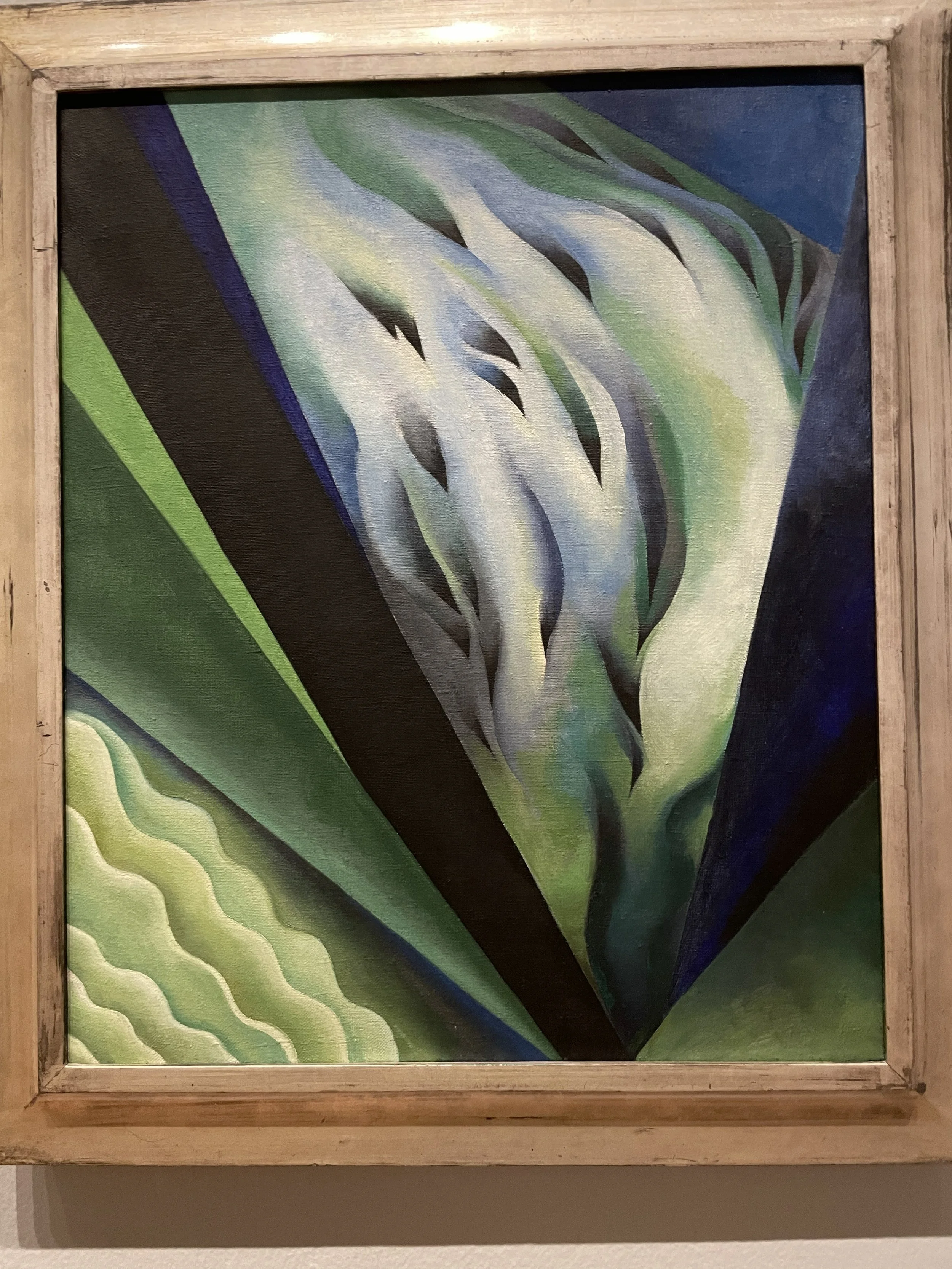
Imagery in creative writing
When discussing beautiful imagery, metaphors and simile, we usually think of poetry. The queen herself, Emily Dickinson, is a never-ending source of some of the most beautiful metaphors, many of which have become a staple on cards, Instagram carrousels and epigraphs.
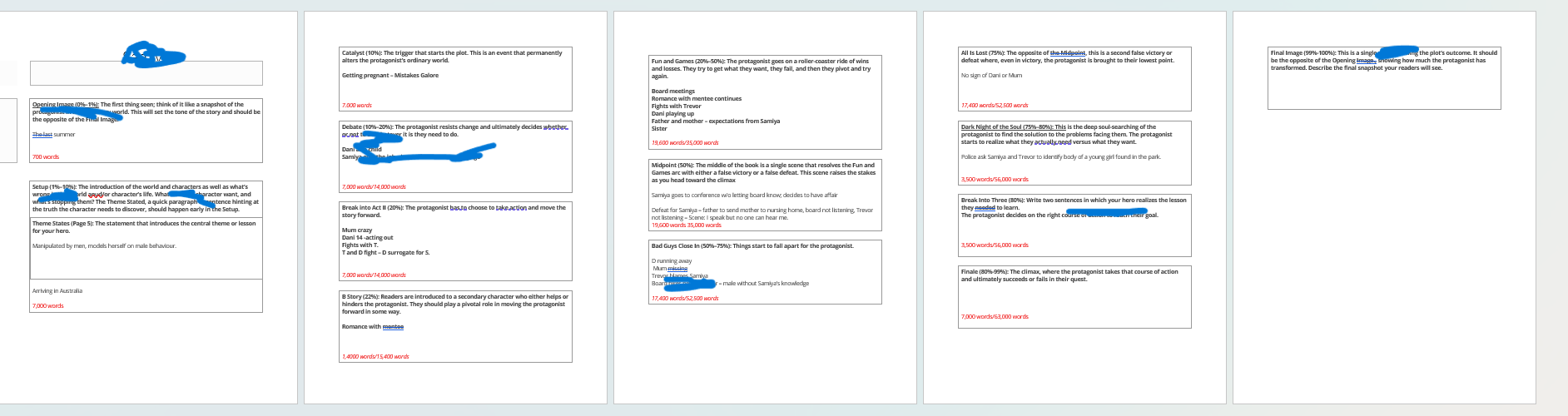
Writing a scene: the essentials
A story, whether it is a short story or a novella or a novel, is a collection of scenes, right? So, it follows that, if we get each scene right, we will have a good story.
Hmmm.
Maybe.
But let’s start there. If those scenes are right, we’re on our way to a good story.
So, what makes a scene a good one? All sources I’ve read agree on this one.
Top Ten Free Resources For Writers
It often baffles how people think – and I used to be one of those people – that art is simply a matter of talent. Don’t even bother to write or draw or play an instrument unless you are supremely talented. While I’m not going to say that talent or a predisposition is not necessary, I am going to claim that all the talent in the world is useless if one doesn’t apply oneself to their craft. This is not true for art only but any aspect of life. No tennis player succeeds because they have a god-given gift to hit a ball in just the right way. Sure, they are talented but the hundreds, if not thousands, of hours they spend in the gym and simply hitting the ball cannot be underestimated. The same applies to writing or any other facet of life.
Character Development
Stories are usually liked for either being plot-driven, urging us on to read what will happen next, or they are character-driven, where we deeply empathise with the main character(s). But I’d claim that without a believable/strong character, whether we like them or despise them, there is no real story. So, how do I develop one of those memorable characters?
Top Ten Books on the Craft of Writing
When it comes to advice on creative writing, there is a multitude of sources on inspiration, motivation, the habits of good artists, etc. And all of them are important as writing is a mostly solitary activity which drains inner sources of commitment and perseverance. However, when it comes to the craft of writing, the nuts and bolts of HOW you actually need to write, resources are much more sparce. I know people who have completed English degrees, and even Master’s degrees in creative writing, without ever learning how to write a good paragraph or how to structure their story.
Plot and Structure
How often have you been asked if you’re a plotter or pantser? A plotter is someone who researches a story meticulously, writing an outline before starting the actual writing, and a pantser is presumably someone who sits down in front of the computer each day, typing away furiously, without a clear direction or plan, waiting for the story to take them by surprise and see where they are going.

Top Ten Books on Creativity
We know we need food and water, exercise and company to thrive. What we often neglect is the creative child in us. Once we’re adults, we often relegate activities that involve painting, dancing, singing, writing, to the ‘frivolous’ or ‘childish’ basket. Or, in the other extreme, we think of them as highly skilled activities that only the truly gifted and well trained should perform.
Some Editing Guidelines
There are lots of quotes, guides, manuals that elaborate on the importance of editing. Indeed, it is universally acknowledged that we shouldn’t worry too much about the form when we write our first draft. The form, the paragraphs, the linking, etc, are all things we should focus on later. Still, it can be an overwhelming task when we see just how many things we need to work on. There are many times when I’ve given up because there were just too many things wrong with my writing.
The First Sentence/ Paragraph/Page/Chapter
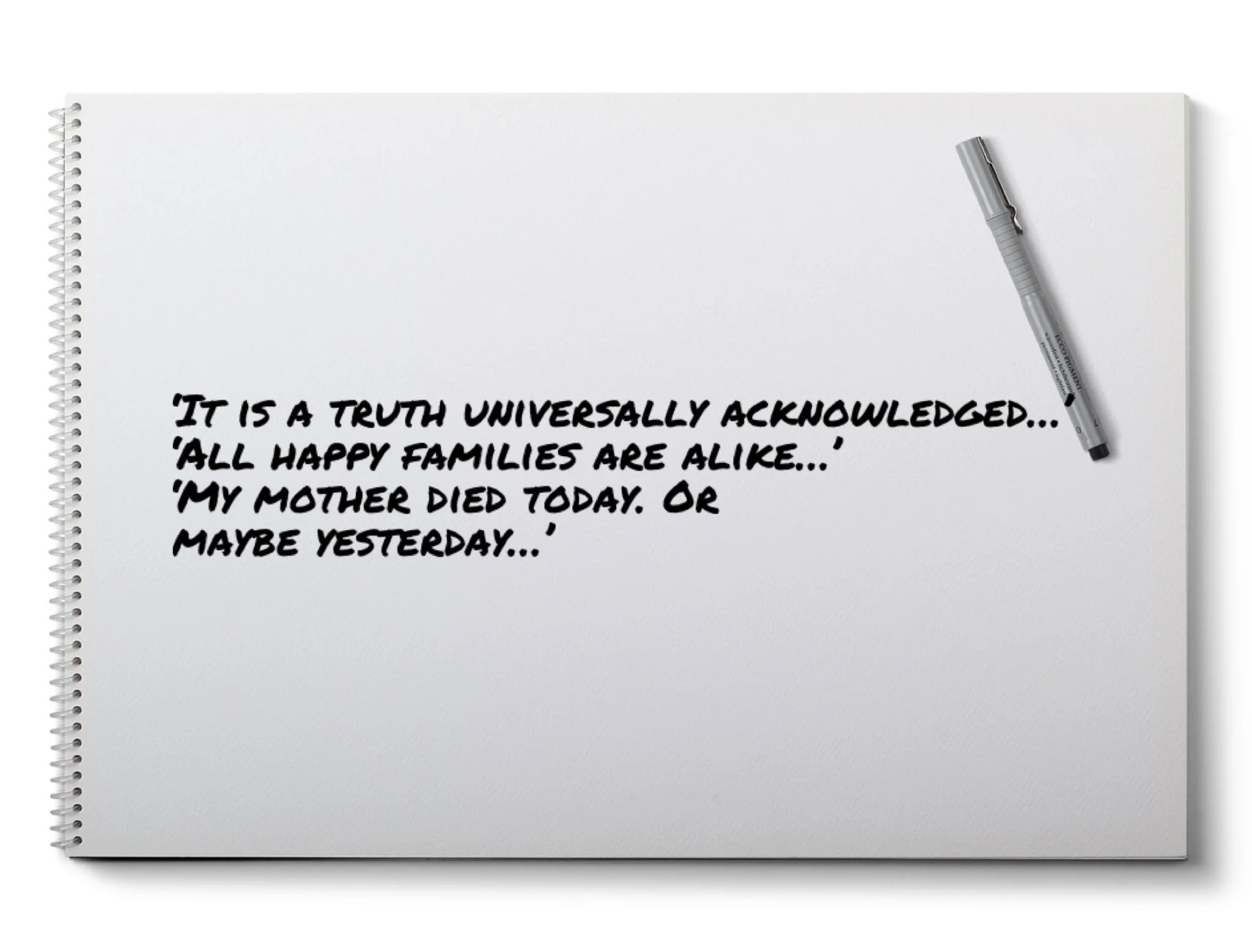
It all hinges on that first sentence. How often have you heard those words? Those words need to be perfect; they need to grab the reader by the throat so that they cannot put down your writing, blah, blah, blah. Followed by the inevitable examples

The Rule of Six
I first heard about the rule of six from the fabulous writer and teacher John Claude Bemis. It thought it was a great way to help me along with very many of the issues in my writing. Since then, I’ve found out that it is based on a Native American practice for expanding possible theories or solutions to problems we face. So, for example, rather than answering a question with one answer, it challenges you to come up with six possible answers or six different explanations or possible stories that could answer the question. This reduces the risk of jumping to conclusions and broadens the scope of understanding.

Show, Don’t Tell!
Every single person who has ever engaged in creative writing will have heard this mantra: ‘Show, don’t tell!’ The explanation is straightforward: it is much more impactful to make the reader feel something than tell them what to feel. Less straightforward is the method of how to achieve that.
What I've Learnt About Dialogue - Part Two
Ok, so now that the formatting hurdles are out of the way, I wanted to share some lessons I’ve learnt about using dialogue in fiction.
What I've Learnt About Dialogue - Part One
When I started writing longer fiction (rather than writing anecdotes, stories as birthday presents or jokey pieces), I avoided dialogue like the devil. I thought, it’s not for me. Surely, there are writers out there who do that? So, my first draft of my first manuscript, in all its 80,000-word glory did not have one single dialogue. All pure descriptions
Take a shower … or the train
I have recently read / listened to a lot about creativity, how to get ourselves out of a dark spot, how to break procrastination, how to move forward with our story/poem, etc, etc, etc. It seems that everyone agrees on two points:

Writing Scenes
Scenes are the smallest unit of meaningful writing, whether it is fiction or non-fiction. A six-word micro-fiction piece (like the famous ‘For sale: baby shoes, never worn.’) has only one scene; a ten-page short story will have anywhere between two to ten scenes; and a 900-page whopper like War and Peace will have hundreds. The only exception to scenes is some poetry, although not all (one of the most beautiful scenes I’ve ever encountered is in Frost’s poem ‘Stopping by Woods on a Snowy Evening’).
Writing Dynamic Scenes
While I dealt with the more mechanical aspects of writing scenes in a previous post, this time, I am going into what I have learnt about building a dynamic scene. I read somewhere that stories, like music, thrive on variation. Just as a violinist plays with volume to evoke emotion, a writer manipulates the dynamics of a scene, its energy, tone and emotional rhythm, to keep readers engaged. Without these shifts, a scene can feel flat. Whether it’s the quiet tension of a creaking floorboard or a literal explosion, movement is the one that makes a scene dynamic.

Pacing in Narrative Texts
This is one of the more obscure aspects of writing but becomes a bit clearer once you’ve had a good teacher explain it to you. I’ve been lucky enough to have explored this with several teachers, and, while I still make mistakes, at least now I know where I went wrong and how to fix it. So, here’s what I’ve learnt about pacing.

Foreshadowing vs Telegraphing
I just finished my second round of structural edits and sent the manuscript back to the publisher. I was a bit worried I might not finish in time because my dad is quite sick and I’ve been spending a lot of time in the hospital, but I did it! Phew!
The biggest learning from this second edit was how the writing can be made to shine with only a few little tweaks (and sometimes big ones 😊). One of those areas is applying foreshadowing and not telegraphing. It makes a huge difference to the story and the reader’s experience.

Deliberate Practice for Writers and Poets
It took me many years to get to this understanding: no one is born a poet or writer, or anything. We train ourselves to be a poet or writer, or whatever it is that we want to be. Of course, talent has a role to play. But only initially. Talent, a predisposition, a privileged background, pushy parents, all of those things may make it easier but they will not result in success.
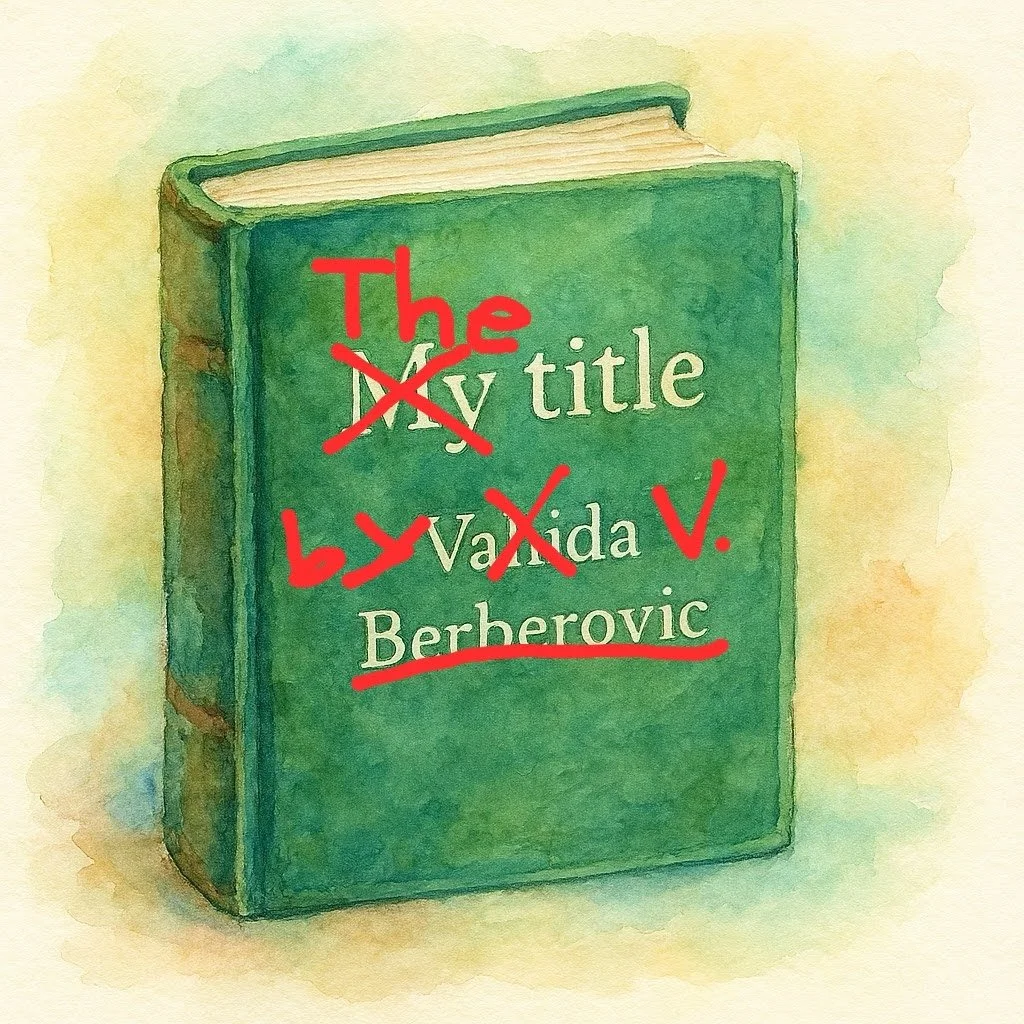
Choosing a Title For Your Book
When we begin writing a story or poem, we usually give it a placeholder title – the quick label we save it under on our laptop. Often, that working title captures the central theme or idea well enough, and sometimes it even ends up on the final cover. But what if it doesn’t?